Retail Media Networks in Australia: How In-Store Screens Drive New Revenue
Walk into almost any retail store, and you'll see brands competing for your attention. A clothing brand might have a mannequin showing off its latest collection, while a supermarket might have a special display promoting a new product. It's nothing new. Brands have always been willing to pay for prime positions in stores, especially when it puts their products directly in front of shoppers.
But digital screens are changing this. Instead of relying on posters, displays and traditional promotions, retailers can now sell advertising space on their screens. Brands can book campaigns, choose when their ads appear and measure how they're performing. For retailers, it creates a whole new way to earn revenue from space they already have.
While major supermarkets have led the way, you don't need hundreds of stores to make it work. Smaller retailers with regular foot traffic, strong supplier relationships and a few well-placed digital screens can set up their own retail media network in Australia.
So, how does it all work? Let's look at how retailers can turn their digital signage into an additional revenue stream, where advertising works best and what you need to get started.
What Is a Retail Media Network?
A retail media network is essentially an advertising channel owned and run by a retailer. Brands pay to get their products in front of shoppers through the retailer's channels, whether that's their website, app, emails, loyalty program or physical stores.
In Australia, Woolworths (through Cartology) and Coles (through Coles 360) are two of the biggest examples. Both give the brands they stock opportunities to advertise online and in-store, reaching customers at different stages of their shopping journey.
This is where digital screens come into play. In-store retail media screens allow brands to reach shoppers right when they're in the decision-making process.
Why In-Store Digital Advertising Is Gaining Ground in Australia
There’s a reason more retailers and brands are taking notice of in-store digital advertising in Australia. It puts advertising right in front of customers when they're already in shopping mode, while giving retailers more control over what appears on their screens and when. Here are some of the biggest benefits for both retailers and brands:
- Proximity to purchase: A message on a screen in the same aisle where the product is sold reaches someone who is already shopping within that category.
- Flexibility: Digital content can be changed in minutes, unlike printed point-of-sale material that needs to be designed, printed, shipped and installed.
- Relevance to supplier budgets: Many brands already spend on in-store promotion. Screens give them a more measurable and more targeted means to reach the right audience with the right message at the right time.
- Store context: Retailers know their customers, locations and trading patterns, which helps them schedule content that fits.
For retailers, it's a win-win. They're already using digital screens to promote their own products, share offers and communicate with customers. By selling some of that screen time to suppliers, they can bring in extra revenue without investing in a completely new advertising channel.
How In-Store Screens Generate Revenue
So, realistically, how can retailers actually make money from their digital screens? There are several ways to turn screen time into an additional revenue stream, and many retailers use a mix of approaches.
Supplier Funded In-Store Advertising
This is the most common starting point. Suppliers pay for placements that promote their products close to where those products are being sold in store. A beverage brand might book screens in the drinks aisle during summer, or a skincare supplier might sponsor displays near the beauty counter.
Supplier-funded in-store advertising often sits alongside existing trade agreements. The difference is that the retailer can offer set durations, specific stores and proof that the content actually ran. Better yet, the advertisement can be up and running in minutes, without the lag that comes with traditional advertising. This means suppliers can capitalise on an upcoming event or sale to get their brand seen.
Advertising From Non-Endemic Brands
Some retailers also sell advertising spots to businesses that don’t actually stock their products in store, such as banks, insurers, local services or entertainment venues.
Customers in these retailers often spend a fair amount of idle time waiting, where screens can turn an endless wait into a source of entertainment. It’s a win-win for businesses and retailers.
Naturally, this needs careful curation so the screens still feel relevant to shoppers. After all, nobody wants to be bombarded with ads that have nothing to do with what they're shopping for. Get the balance right, though, and it can open the door to a much wider pool of advertisers.
Offsetting Your Own Signage Costs
What if your digital screens could help cover their own costs? By selling even a small amount of advertising space, retailers can offset expenses such as software subscriptions, content creation and hardware.
Over time, that extra income could even help fund more screens across the store or make it easier to expand digital signage into other locations.
Where Screens Work Best in a Store
When it comes to digital signage, location matters. A screen tucked away in a quiet corner won't attract nearly as much attention as one positioned where shoppers naturally stop, browse or make purchasing decisions.
And the more eyes on your screens, the more valuable that advertising space becomes.
Some of the best spots include:
- Entrances and window displays: these reach every visitor and passers-by.
- Aisle ends and category zones: where shoppers actively compare products.
- Checkout and queue areas: when dwell time is longer, and impulse purchases are common.
- Point-of-sale digital screens: which suit add-on offers and loyalty messages.
- Service counters in pharmacies, hardware stores and electronics retailers, where customers often wait.
The good news is you don't need screens on every wall to make an impact. A handful of well-placed displays in busy areas can be far more effective (and profitable) than dozens of screens that shoppers barely notice. Start with the spots that get the most attention, then expand as you see what works.
Retail Media for Small Retailers
You don't need to be a huge retail conglomerate to make money from digital signage. Smaller retailers can get in on the action too, although their approach will naturally look quite different from that of the major chains.
Independent pharmacies, liquor stores, hardware stores, franchise groups and speciality chains all have supplier relationships that can support paid screen placements.
A practical approach to retail media for small retailers is to begin with two or three key suppliers who already invest in promotions. Offer a simple package, such as a set number of plays per hour across all stores for four weeks. Once you can show reliable delivery and reporting, expanding becomes easier to offer.
Franchise and buying groups are particularly well suited, because they can pool screens across many independent stores and sell them as one network.
What You Need to Run an In-Store Media Network
Cloud Digital Signage Software
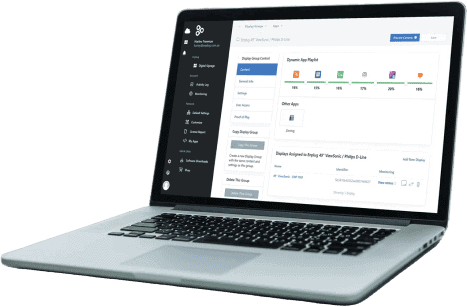
Managing screens one at a time simply isn't practical, especially when you have multiple stores. Plus, it doesn’t scale. Cloud digital signage for retail chains makes life much easier, allowing you to update content across all locations from a single dashboard, schedule campaigns by store or region, and choose exactly when certain promotions appear.
One of the biggest advantages is how quickly you can make changes. Need to update a price, promote a flash sale or replace an outdated offer? You can make those changes on the spot, without the hassle of designing, printing, delivering and installing new signage. It's a huge improvement on traditional printed posters, particularly for retailers running frequent promotions across multiple locations.
Good in-store media network software should also let you manage advertiser content separately from your own promotions, so campaigns run smoothly without bookings clashing.
Proof of Play and Reporting
When brands are paying for advertising space, they want to know they're getting what they paid for. That's where proof-of-play reporting comes in. It keeps records of exactly what content appeared, on which screens and at what times, giving advertisers confidence that their campaigns ran as promised.
Enplug's proof of play feature makes this easy, giving retailers the reporting they need to back up their advertising packages.
Reliable Hardware and Content Standards
Not all screens are created equal. For the best results, choose commercial-grade displays that are the right size for your space and bright enough to be seen clearly, even in well-lit stores.
It's also worth setting some ground rules for advertisers, such as preferred file formats, ad lengths and design guidelines. That way, every campaign looks professional, fits your screens and works well alongside your own content.
A Clear Commercial Model
Decide how you will price inventory before you approach suppliers. Common options include:
- Fixed packages
- Cost per location per week
- Bundling screen time into broader promotional agreements.
Challenges to Plan For
Setting up a retail media network involves more than just installing a few screens and selling advertising space. There are a few practical challenges to consider:
- Measurement: Linking a screen campaign to sales can be difficult without clean data. Combining play logs with point-of-sale data for promoted products helps. Enplug covers practical approaches in 4 ways to measure actual digital signage ROI.
- Shopper experience: Too many ads, or ads that are irrelevant, make screens easy to ignore. Keep a healthy mix of useful store content and paid placements.
- Operational workload: Someone needs to manage bookings, approve content and handle reporting. Assign clear ownership early.
- Privacy: If you use audience analytics or cameras, make sure your approach complies with the Australian Privacy Act and is disclosed appropriately.
How Enplug Supports Retail Digital Signage in Australia
Enplug provides cloud-based retail digital signage in Australia, helping retailers manage content across single stores or large networks. Features such as central scheduling, remote updates and proof-of-play reporting support both internal communications and paid advertising use cases.
You can see how the platform is used across stores on the Enplug retail industry page. For broader context on why local retailers are adopting screens, read why Australian retailers are investing in digital signage solutions.
Final Thoughts
With the right setup, your in-store digital screens can do much more than promote your own products. They can become an additional source of revenue, giving brands a valuable way to reach shoppers while helping you get more out of your signage investment.
And remember, you don't need to be a retail giant to make it work. Start with a few screens in high-traffic areas, approach suppliers who are already investing in promotions and build from there. With reliable cloud management software and proof-of-play reporting in place, you'll have the foundations to grow your own retail media network.
If you're considering taking this next step, it's worth looking at whether your current digital signage platform has everything you need to make it happen.
Frequently Asked Questions
What is the difference between retail media and traditional in-store promotion?
Traditional promotion relies on fixed displays and printed material. Retail media sells scheduled, measurable ad placements across a retailer's channels, including digital screens, with reporting similar to online advertising.
Can a small retailer earn revenue from in-store screens?
Yes. Smaller retailers usually start by offering placements to existing suppliers. Revenue depends on foot traffic, screen placement and how clearly you can report on campaign delivery.
How do advertisers know their content is played?
Proof-of-play reports log when and where each piece of content was displayed. This record is what most advertisers expect before paying for placements.
How many screens do I need to start a retail media network?
There is no fixed minimum. A few screens in high-traffic areas across several stores can be enough to create a sellable package, and many retailers expand once demand is proven.
on October 14, 2026 4:03 am